

Pickle Juice for Cramps? It may sound unusual, but it works. One night, I woke up with a sharp leg cramp that left me in pain. Drinking water didn’t help, and I didn’t want to drink a sugary sports drink at 2 a.m.
Then I saw my pickle jar in the fridge, and it made a big difference. As a mom of two busy kids, I need quick solutions that don’t involve going to the store. My Pickle Juice for Cramps Recipe is perfect.
It’s salty, tangy, and easy to make with ingredients I already have at home. There’s no sugar, no mystery ingredients, just a simple, natural fix that helps when your muscles won’t relax.
What Is Pickle Juice & Why Does It Stop Cramps So Fast?
Pickle juice is the liquid left in a pickle jar, made from water, vinegar, salt, and spices. This salty brine is rich in sodium and other minerals your muscles need. When you have a cramp, your body might be telling you that something is wrong with your electrolytes or nerves, and pickle juice helps with both.
The reason it helps with cramps goes beyond just hydration. Studies suggest that the vinegar in pickle juice can trigger a nerve reflex in your mouth and throat, which may quickly stop the cramp. It’s not just about drinking fluids; it’s about a fast response from your nerves. Athletes use pickle juice because it works faster than water or sports drinks during intense activity.
However, pickle juice shouldn’t replace water or your regular hydration drinks. It’s high in sodium, so drinking it all day could add too much salt to your diet. Think of it as a quick solution for cramps, not something to sip all day.
Pickle Juice vs. Other Cramp Remedies: What Actually Works Better?
Pickle juice is a good option for cramps compared to other remedies. Sports drinks have sugar and artificial colors, which I try to avoid. Pickle juice provides quick electrolytes without those extra ingredients. Magnesium supplements can help prevent cramps, but they take days or weeks to be effective. In contrast, pickle juice works in seconds.
Bananas are high in potassium, but it’s hard to eat one during a cramp. Mustard packets with vinegar can also help, but many people find pickle juice more effective and easier to use. Eating pickles can help, but you would need to eat a lot to get the same quick relief from a small amount of pickle juice. Other vinegar-based foods can provide some relief, but pickle juice is concentrated and simpler to use.
However, pickle juice doesn’t work for everyone. It is most effective for exercise-related cramps, either during or after a workout. It may also help with cramps caused by dehydration since sodium helps the body retain fluids. But it might not be as effective for cramps from nerve issues or poor circulation.

Homemade vs. Store-Bought Pickle Juice: Which One Should You Use?
You can use store-bought pickle juice, like Pickle Juice Sport or Vlasic. These brands have simple ingredients: water, vinegar, salt, and spices. Avoid options with artificial preservatives or sweeteners. Small 2.5-ounce shots for cramp relief are available at stores like Walmart, Kroger, GNC, and Amazon, but they cost more than homemade versions.
To make your own pickle juice, mix vinegar and salt in the right ratio. This ratio affects how well it helps with nerve response. My mix of apple cider and white vinegar works well.
Timing is important because pickle juice can relieve cramps in 35 to 85 seconds, which is faster than water or sports drinks. However, it doesn’t prevent cramps caused by dehydration or low mineral levels, so it’s essential to stay hydrated and eat a balanced diet for long-term relief.
What Ingredients Are Needed for Pickle Juice for Cramps?
Apple Cider Vinegar (2 cups): This ingredient gives a fruity tang and contains trace minerals. It has acetic acid, which helps stop cramps. You can also use plain white wine vinegar or rice vinegar for a sharper or milder taste.
White Vinegar (2 cups): This adds a classic pickle flavor and increases the acetic acid. Using both vinegars creates a balanced base. If you only have white vinegar, that works well too.
Water (4 cups): Water dilutes the vinegar, making it safe to drink and gentle on your stomach. Use filtered water for the best taste, but tap water is fine too.
Himalayan Pink Salt (2 tablespoons): Salt is important for replacing sodium lost through sweating and for helping your body hold onto fluids. Himalayan pink salt contains trace minerals such as calcium and magnesium. Regular sea salt works too.
Garlic Cloves (8 cloves): Garlic adds a rich flavor and has natural anti-inflammatory properties that may support muscle health. If you don’t have fresh cloves, you can use 1 teaspoon of garlic powder.
Dill (4 teaspoons): Dill gives this recipe its classic pickle flavor. I use dried dill weed, but fresh dill sprigs are great too. Use about 4-5 sprigs instead of dried.
Red Pepper Flakes (1 teaspoon): Optional, but adds some heat. It may also help relieve cramps. You can skip this or use a pinch of cayenne pepper instead.
Tools I Recommend for This Recipe
- Medium saucepan: Use this to simmer the brine evenly.
- Fine mesh strainer: This catches the garlic, dill, and pepper flakes.
- Glass measuring cups: These help you measure liquids accurately.
- Large glass jar or jug: Store the finished juice in this.
- Ladle or funnel: These make it easy to pour the juice into jars.
How to Make the Best Pickle Juice for Cramps at Home
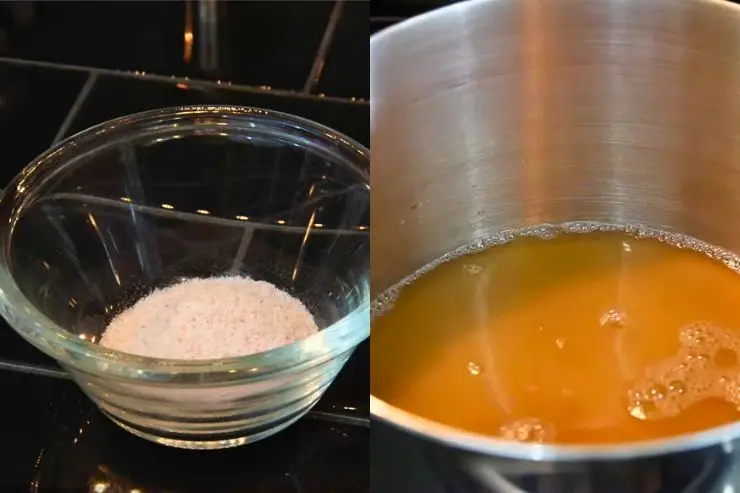
1. Combine Your Liquids and Salt: In a medium saucepan, mix 2 cups of apple cider vinegar, 2 cups of white vinegar, and 4 cups of water. Add 2 tablespoons of Himalayan pink salt and stir briefly to help it dissolve. Heat the pot over medium heat and bring the mixture to a gentle simmer. You want to see small bubbles forming at the edges, not a hard boil.
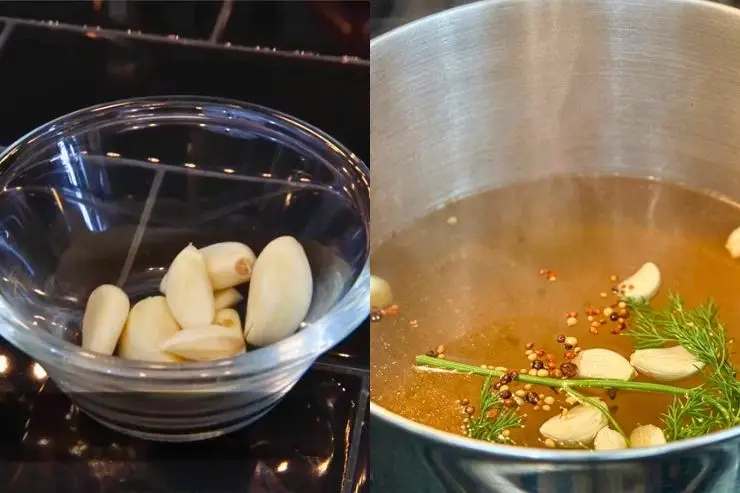
2. Add the Flavor and Cramp-Fighting Ingredients: Once the liquid is simmering, add 8 cloves of garlic, 4 teaspoons of dried dill (or 4-5 fresh dill sprigs), and 1 teaspoon of red pepper flakes into the pot. Let everything simmer for about 5 minutes. This will help the garlic, dill, and pepper add their flavors to the brine. Your kitchen will smell like pickles.
3. Strain and Store: After 5 minutes, take the pot off the heat. Put a fine mesh strainer over a large bowl or glass jar. Carefully pour the brine through the strainer to catch the solids. Let it cool for 15 to 20 minutes before sealing the jar. Once it is cool, store it in the fridge. You can use it right away.
To help with cramps, drink about 2 to 3 ounces (about ⅓ cup) as a quick shot. For nighttime cramps, keep a small bottle on your nightstand for easy access when a cramp hits.

Simple Ways to Boost Your Pickle Juice for Better Results
Add Extra Electrolytes: You can mix in a pinch of cream of tartar (high in potassium) or a magnesium powder to make your drink more complete, which may help with cramps due to low magnesium.
Mix in Lemon, Honey, or Ginger: Squeezing in fresh lemon adds vitamin C. A little raw honey can soften the taste. Fresh ginger slices can provide anti-inflammatory support. Together, these ingredients make a tasty homemade electrolyte drink.
Try a Concentrated Shot Version: To create a stronger shot, use just 2 cups of water instead of 4, which gives you a stronger brine. Use only 1-1.5 ounces of this concentrated version per serving.
Which Type of Pickle Juice Works Best for Cramps?
Not all pickle juice is the same, and the type you choose is important. Dill pickle juice is the most common and easiest to find. It has a strong, salty, herby taste and can help with cramps because it contains vinegar. Sour pickle juice, which has more vinegar, may help relieve cramps faster due to its higher acidity.
Fermented pickle juice is made without added vinegar through a natural process called lacto-fermentation. This type is rich in probiotics, which help support gut health. However, it might not relieve cramps as quickly since it lacks concentrated acetic acid. It’s good for everyday gut health, but may not stop a cramp in 60 seconds like vinegar-based juice can.
For quick cramp relief, choose vinegar-based dill or sour pickle juice. For regular gut support, fermented brine is a good option, but it doesn’t work as fast for cramps.
Is Pickle Juice Safe to Drink? Side Effects & Who Should Skip It
Drinking pickle juice a few times a week is usually okay for healthy adults. However, it’s not necessary to drink it daily, as this can lead to high sodium intake over time. Common side effects include stomach upset, bloating, or acid reflux, especially if you drink it on an empty stomach.
If you have heartburn or stomach issues, the acidity might be uncomfortable. Starting with a small amount, like 1 ounce, can help your stomach get used to it.
The sodium content is a big concern for people with high blood pressure, kidney disease, or heart problems. One serving of pickle juice can have 400-900 mg of sodium, which is quite a bit. Anyone worried about blood pressure should talk to their doctor before adding it to their diet.
Children can have a little, but it tastes very sharp and salty, so they might not like it. Older adults on low-sodium diets should also be careful. During pregnancy, having a small sip now and then is usually safe. However, because of its high sodium content, it’s best to use it sparingly and consult your healthcare provider first.
How to Store Your Pickle Juice & Make It Last Longer
Store homemade pickle juice in a sealed glass jar in the fridge, and it will stay fresh for up to 3 months. The vinegar and salt help keep bacteria from growing. You can also freeze it in an ice cube tray in small portions, about 1–2 ounces per cube. Just pop out a cube and let it melt when you need a quick shot. Frozen pickle juice lasts up to 6 months in the freezer.
If you have used your brine to pickle vegetables, you can reuse it once for cramp relief, as long as it still smells clean and tangy. Throw it away if it smells bad, looks cloudy, or has been open for more than a week. It’s best to make fresh brine from scratch for reliable results.
When to Reach for Pickle Juice: Real-Life Cramp Scenarios
Leg Cramps at Night: I use pickle juice to relieve leg cramps. These cramps can be very painful, so I keep a small jar by my bed. When I feel a cramp in my calf, I take a quick 2-ounce shot, and it usually stops the cramp quickly.
Exercise-Induced Cramps: Pickle juice works best for cramps that happen during or after exercise. Research shows that athletes who drink pickle juice recover from cramps about 45% faster than those who drink plain water. It is best to drink it right when the cramp starts, not before.
Menstrual Cramps: There isn’t much research on this, but combining sodium and vinegar may help relax muscles. In my experience, pickle juice can help a little, but it’s not as effective as ibuprofen on tough days. Magnesium is better for menstrual cramps, but a small shot of pickle juice is a natural option.
Cramps in Feet or Hands: Small cramps in the hands and feet often respond well to pickle juice, especially when caused by exercise or heat. Taking a quick shot and gently stretching usually helps. These cramps can happen when you lose sodium, so the salt in the brine can help replace what’s lost.

Pickle Juice for Cramps Recipe
Try this easy pickle juice for cramps recipe! Made with vinegar, salt & garlic—fast, natural muscle relief in every sip.
Ingredients
- Apple cider vinegar – 2 cups
- White vinegar – 2 cups
- Water – 4 cups
- Himalayan pink salt – 2 tablespoons
- Garlic cloves – 8 cloves
- Dried dill – 4 teaspoons
- Red pepper flakes – 1 teaspoon
Instructions
- In a medium saucepan, mix 2 cups of apple cider vinegar, 2 cups of white vinegar, and 4 cups of water. Add 2 tablespoons of Himalayan pink salt and stir briefly to help it dissolve. Heat the pot over medium heat and bring the mixture to a gentle simmer. You want to see small bubbles forming at the edges, not a hard boil.
- Once the liquid is simmering, add 8 cloves of garlic, 4 teaspoons of dried dill (or 4-5 fresh dill sprigs), and 1 teaspoon of red pepper flakes into the pot. Let everything simmer for about 5 minutes. This will help the garlic, dill, and pepper add their flavors to the brine. Your kitchen will smell like pickles.
- After 5 minutes, take the pot off the heat. Put a fine mesh strainer over a large bowl or glass jar. Carefully pour the brine through the strainer to catch the solids. Let it cool for 15 to 20 minutes before sealing the jar. Once it is cool, store it in the fridge. You can use it right away.
- To help with cramps, drink about 2 to 3 ounces (about ⅓ cup) as a quick shot. For nighttime cramps, keep a small bottle on your nightstand for easy access when a cramp hits.
Nutrition Information:
Yield: 8 Serving Size: 1Amount Per Serving: Calories: 5
A 2-3 ounce shot of pickle juice can quickly relieve cramps for most people. It usually starts working within one to two minutes. It is safe for most healthy adults to drink it a few times a week during active times. Dill or sour vinegar-based pickle juice works best and fastest.
This simple Pickle Juice for Cramps Recipe takes just minutes to prepare and could be the natural solution for cramps that you’ve been looking for.