Texas Roadhouse Cinnamon Butter Recipe
Warm rolls need something sweet to melt into. My Texas Roadhouse Cinnamon Butter Recipe starts with four pantry items and one bowl. No stove is needed. The butter comes out fluffy and light.
My first batch was a mess. It was a rainy Sunday in October, and the rolls were already warm. I rushed the butter, and it turned into oily soup.
Since then, I have tested it a dozen times. Three small fixes did the job: counter-softened butter, sifted sugar, and slow honey. Everything below comes from those dozen tests.

Why Does Cinnamon Butter Turn Greasy or Grainy?
The top complaint with this spread is oily butter that slides off the roll. The cause is warmth. Butter above 70°F loses its structure, so the honey pools instead of blending in.
My microwave shortcut caused it. Fifteen seconds melted the center while the edges stayed hard. No amount of whipping fixed the split. Fresh sticks and 45 patient minutes on the counter did.
Grainy butter has another cause. Granulated sugar and cold butter both leave gritty bits. Powdered sugar melts into butterfat with no crunch, and the cornstarch in the bag helps bind the mix.
Aim for butter near 65°F. It should dent under a finger and show no shine. Whip it alone first. The finished spread softens after 20 minutes on the counter.
Ingredients for Texas Roadhouse Cinnamon Butter
1 cup (2 sticks, 227 g) unsalted butter, softened: Fat holds the air you whip in, and that air gives the spread its fluff. I reach for Land O’Lakes because the water content stays steady from box to box. Cold butter leaves lumps.
Press a stick before buying; it should dent without shine. Salted sticks work in place of unsalted, so skip the added salt below. Kerrygold turns the finished color a deeper yellow and adds a faint tang. Freeze spare sticks for later.
¼ cup (85 g) honey: Honey sweetens and also loosens the butter, which keeps it spreadable in the fridge. I use Sue Bee clover honey from the grocery aisle. Its mild flavor lets the cinnamon lead. Raw honey works too but crystallizes fast.
Warm a thick or crystallized jar in a bowl of hot tap water for 3 minutes first. Maple syrup swaps in at the same amount, though the butter tastes more woody and sets a bit softer. Oil the cup so it slides out clean.
¼ cup (30 g) powdered sugar, sifted: It dissolves into butter with no grit, and its bit of cornstarch helps hold the mix together. I buy Domino and sift it through a small mesh strainer. Spoon it into the cup; do not pack it.
Sifting takes 20 seconds and removes the tiny lumps that survive whipping. Granulated sugar will not dissolve in time, so the butter turns sandy. Grind it in a blender for a minute in a pinch. Let the powder settle before opening the lid.
1 scant teaspoon ground cinnamon: It is the lead flavor, so freshness matters. Old jars taste dusty and flat. I use McCormick from a jar opened within the past year. Smell it first; a good jar smells sweet and warm at once.
Saigon cinnamon bites harder, so cut the amount to a level ¾ teaspoon. Ceylon tastes softer and needs a full teaspoon plus a pinch. Taste a smear on bread before adding more. Stir a pinch into plain butter to preview the strength.
½ teaspoon pure vanilla extract: Vanilla rounds out the honey and makes the butter taste more like a bakery spread. I pick Nielsen-Massey, since cheap imitation vanilla leaves a sharp aftertaste. Store the bottle away from the stove.
Skip it and the butter still works, only a touch flatter. Vanilla bean paste adds black specks and costs more; use the same ½ teaspoon. Measure it in a spoon, never straight from the bottle.
⅛ teaspoon fine sea salt: A pinch sharpens the honey and keeps the sweetness from feeling flat. I use Morton fine sea salt because it dissolves fast in cold butter. Salt also makes the butter taste butter.
Flaky salt leaves crunchy bits, so save it for a light sprinkle on top. Table salt is fine too; use a scant ⅛ teaspoon because the grains are smaller and pack tighter. Measure it level, since a heaping pinch tastes metallic.
Kitchen Equipment for This Recipe
- Stand mixer with paddle: Whips air evenly
- Silicone spatula: Scrapes the bowl clean
- Fine mesh strainer: Sifts powdered sugar
- Measuring cups and spoons: Level each scoop
- Ramekin or parchment paper: For shaping and chilling
How to Make Texas Roadhouse Cinnamon Butter
1. Soften the Butter: I set 2 sticks of unsalted butter on the counter for 45 minutes. The kitchen was cool on that damp October day. A finger press should leave a dent without sliding through. A thermometer should read about 65°F. Shiny, sweating sticks are too warm, so chill them 10 minutes.
2. Whip the Butter Alone: Cut the butter into tablespoon pieces and drop them into the mixer bowl. Beat with the paddle on medium for 90 seconds. Stop once it looks smooth and pale yellow. Scrape the bowl once with a spatula. No lumps should remain. Pale butter with a matte finish means air is going in.
3. Add the Powdered Sugar: Sift ¼ cup powdered sugar over the butter. Mix on low for 30 seconds. A slow start keeps a white cloud from puffing out of the bowl. The mix should look like thick, matte frosting with no dry streaks. Scrape the bottom edge once where sugar hides.
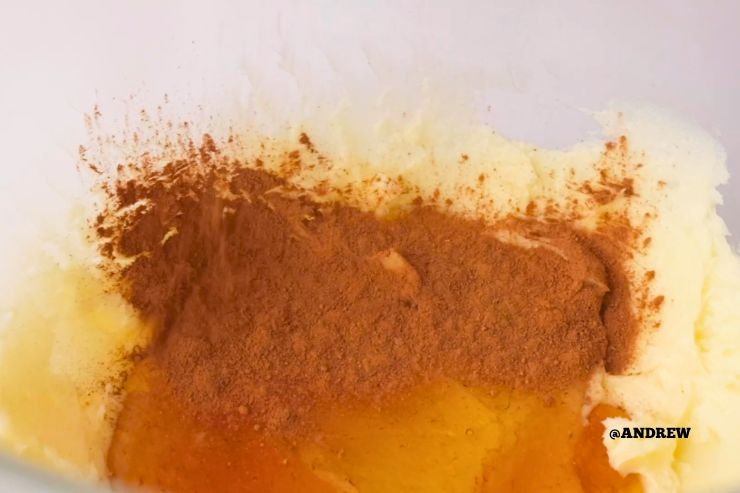
4. Drizzle in the Honey: Drop the speed to low. Pour ¼ cup honey down the side of the bowl in a thin stream over 20 seconds. Honey at room temperature blends best. Honey that pools and a slick, split look mean the butter runs warm. Chill the bowl for 10 minutes, then beat again on medium until smooth.
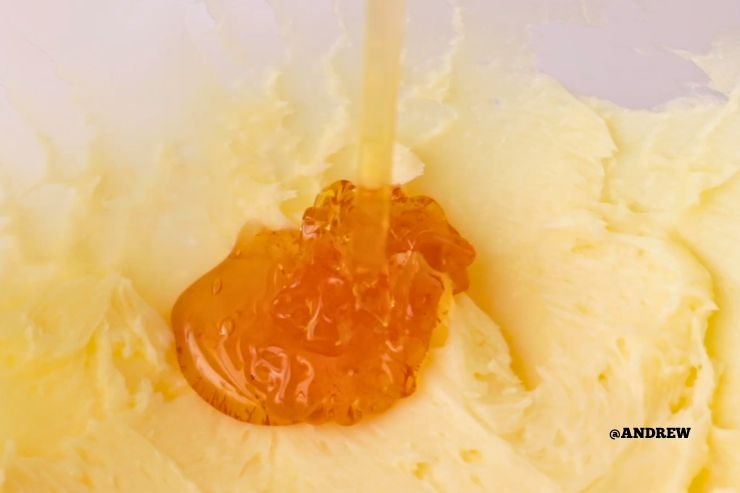
5. Season and Whip: Add 1 scant teaspoon cinnamon, ½ teaspoon vanilla, and ⅛ teaspoon salt. Beat on medium-high for 90 seconds, scraping the bowl twice. Stop when the butter looks light and holds a soft peak. The color shifts from yellow to pale tan with brown flecks. A dull, heavy look means it needs 30 more seconds.
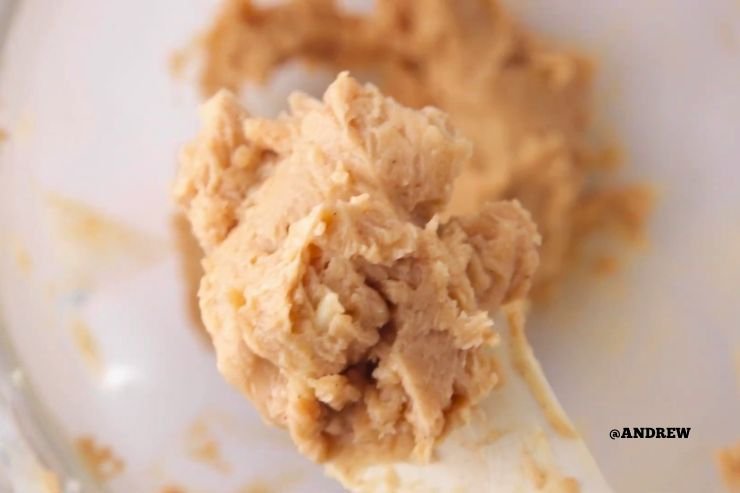
6. Taste and Adjust: Smear a bit on a warm roll. Taste for cinnamon and salt. Add a pinch more cinnamon and beat 10 seconds when the spice feels shy. Cold bread hides flaws, so warm the roll for 10 seconds first.
My brother-in-law ate three spoonfuls straight from the bowl and said it needed no changes.
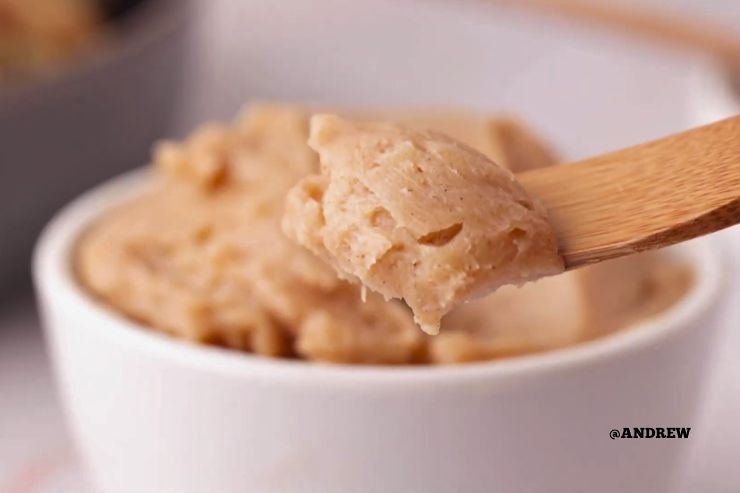
7. Shape and Chill: Scoop the butter into a 1-cup ramekin, or spoon it onto parchment and roll it into a log. Chill 20 minutes. Serve it cool but spreadable, at about 60°F. A finger press should leave a clean dent, not a smear. Wrap the log in a second layer of parchment for clean twisted ends.
Tips for Fixing Common Cinnamon Butter Problems
1. Gritty Texture: Tiny hard bits point to cold butter. Rest the bowl on a warm towel for 5 minutes, then beat 30 seconds more.
2. Streaky Honey: Chilly honey leaves streaks. Beat 20 more seconds on medium and the streaks blend back in.
3. Hard Butter From the Fridge: Leave the ramekin out for 20 minutes. Zapping it melts the edges first.
4. Weak Spice Flavor: Cold mutes cinnamon, so judge the taste at room temperature, not straight from the fridge.
5. Butter Sliding Off Rolls: The bread is too hot. Wait 2 minutes after baking, then spread.
6. Salt Specks: Undissolved salt crunches. Dissolve it in the vanilla for 30 seconds before adding it.
How I Customize This Texas Roadhouse Cinnamon Butter
Brown Sugar Crunch: Fold 2 tablespoons dark brown sugar into the finished butter. It leaves caramel-like specks and a mild molasses note. I spoon it over warm oatmeal on cold mornings.
Maple Pecan: Replace half the honey with maple syrup and fold in 2 tablespoons toasted chopped pecans. The nuts add crunch against the soft butter. It suits Saturday waffles.
Orange Zest: Stir in 1 teaspoon fresh zest from a navel orange. The oils brighten the honey and cut the richness. I pair it with cranberry muffins.
Pumpkin Spice: Swap the cinnamon for 1¼ teaspoons pumpkin pie spice. Ginger and clove add a deeper warmth. It tastes right on sweet potato rolls in November.
Hot Honey: Use chili-infused honey for 1 tablespoon of the honey. The heat arrives slowly and stays mild. I serve it on cornbread next to a bowl of chili.
Cream Cheese Whip: Beat in 2 tablespoons softened cream cheese. It adds a light tang that balances the sweetness. I spread it on warm bagels.
What I Serve With Texas Roadhouse Cinnamon Butter
Warm yeast rolls are the obvious partner. Brush them with melted butter, then add a spoonful of the spread while they steam. Skillet cornbread works the same way, and its corn flavor holds up to the honey.
Breakfast works too. Spread it on thick cinnamon toast, sourdough pancakes, or a split English muffin. Day-old biscuits split and toasted in a skillet also take it well.
Vegetables take to it as well. A tablespoon on a hot baked potato turns into a glossy sauce. Roasted carrots need only a teaspoon tossed in right after they leave the oven.
For a full dinner, I grill a ribeye and bake sweet potatoes. Garlic green beans go on the stove. Warm rolls and a ramekin of this butter go in the center of the table. Anna empties the ramekin before the steak is sliced.
How I Store Texas Roadhouse Cinnamon Butter
Press the butter into an airtight glass container and keep it in the fridge for up to 2 weeks. Glass does not hold fridge odors the way soft plastic can. Lay parchment on the surface to block air.
For longer storage, roll the butter into a log, wrap it in parchment and foil, and freeze it for up to 3 months. Label the wrap with the date. Slice off coins as needed. Thaw them in the fridge overnight.
Chilled butter turns firm and loses its fluff. Set it out for 20 minutes, then beat it with a fork for 15 seconds. The fluff returns and the spread softens. Never reheat it in the microwave, or the same oily split returns.
On the table, cover it and keep it out no longer than 2 hours. A hot July afternoon shortens that, so return the dish to the fridge after 1 hour.
Texas Roadhouse Cinnamon Butter Recipe FAQs
1. Can I Use Plant-Based Butter?
Yes. Pick firm stick-style plant butter, not the tub kind. Tub spreads carry more water and turn runny once the honey goes in. Expect a softer set and a less rich flavor. Earth Balance sticks held up in my test.
2. Why Is My Butter Yellow Instead of Tan?
Cinnamon sets the tan shade. Yellow butter points to a light hand with the spice, or a deep-yellow brand such as Kerrygold. Add a pinch more cinnamon and beat 15 seconds to shift the color.
3. Can I Pipe Cinnamon Butter Into Rosettes?
Yes. Chill the finished butter 15 minutes, then pipe it with a large star tip onto a cold plate. Warm hands soften it fast, so refrigerate the rosettes for 10 minutes before serving.
4. How Much Butter Should I Use Per Roll?
Plan on 1 tablespoon per standard roll, or 1½ tablespoons for a large dinner roll. One batch covers about 20 rolls. Set out a second ramekin for big appetites.
5. Can I Use Freshly Ground Cinnamon?
Yes. Grind sticks in a spice mill until powdery, then sift out the woody bits. Freshly ground cinnamon smells sharper, so start with ¾ teaspoon and taste.
6. How Can I Make the Butter Less Sweet?
Cut the honey to 3 tablespoons and keep the salt. The spread loses about 1 gram of sugar per tablespoon and tastes more buttery. Taste a smear on bread first, since plain bread makes honey seem sweeter.
7. Can I Use a Whisk Instead of a Paddle?
Skip it. The whisk clogs with soft butter, and honey slips past it to the bottom of the bowl. The flat paddle blends everything evenly.
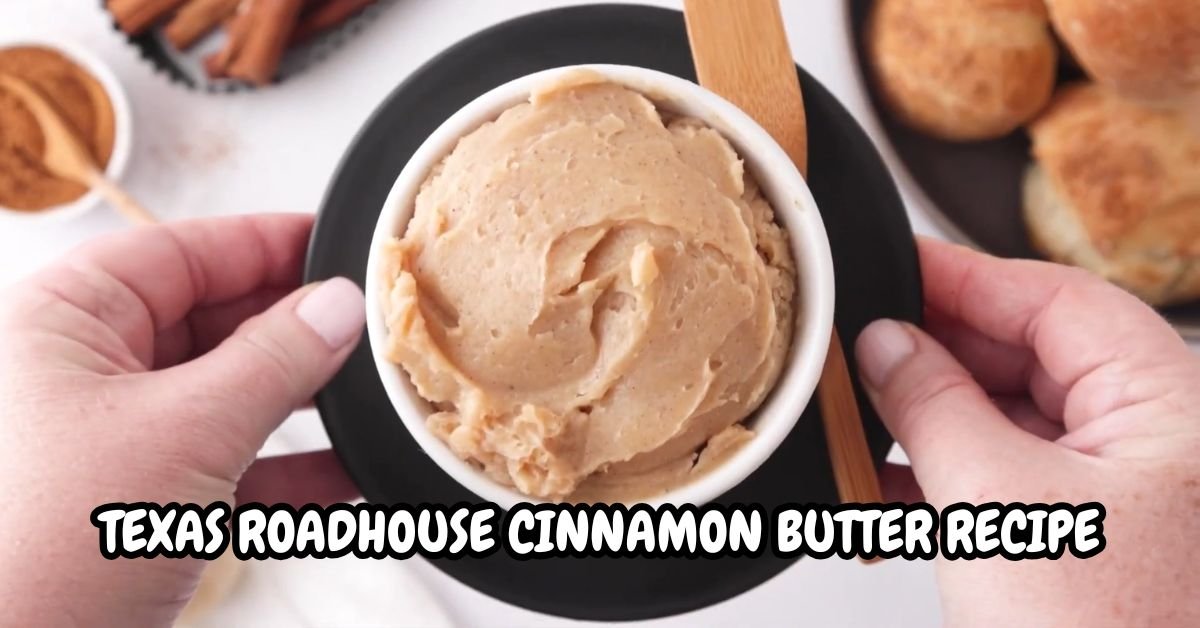
Texas Roadhouse Cinnamon Butter Recipe
Ingredients
Method
- I set 2 sticks of unsalted butter on the counter for 45 minutes. The kitchen was cool on that damp October day. A finger press should leave a dent without sliding through. A thermometer should read about 65°F. Shiny, sweating sticks are too warm, so chill them 10 minutes.
- Cut the butter into tablespoon pieces and drop them into the mixer bowl. Beat with the paddle on medium for 90 seconds. Stop once it looks smooth and pale yellow. Scrape the bowl once with a spatula. No lumps should remain. Pale butter with a matte finish means air is going in.
- Sift ¼ cup powdered sugar over the butter. Mix on low for 30 seconds. A slow start keeps a white cloud from puffing out of the bowl. The mix should look like thick, matte frosting with no dry streaks. Scrape the bottom edge once where sugar hides.
- Drop the speed to low. Pour ¼ cup honey down the side of the bowl in a thin stream over 20 seconds. Honey at room temperature blends best. Honey that pools and a slick, split look mean the butter runs warm. Chill the bowl for 10 minutes, then beat again on medium until smooth.
- Add 1 scant teaspoon cinnamon, ½ teaspoon vanilla, and ⅛ teaspoon salt. Beat on medium-high for 90 seconds, scraping the bowl twice. Stop when the butter looks light and holds a soft peak. The color shifts from yellow to pale tan with brown flecks. A dull, heavy look means it needs 30 more seconds.
- Smear a bit on a warm roll. Taste for cinnamon and salt. Add a pinch more cinnamon and beat 10 seconds when the spice feels shy. Cold bread hides flaws, so warm the roll for 10 seconds first. My brother-in-law ate three spoonfuls straight from the bowl and said it needed no changes.
- Scoop the butter into a 1-cup ramekin, or spoon it onto parchment and roll it into a log. Chill 20 minutes. Serve it cool but spreadable, at about 60°F. A finger press should leave a clean dent, not a smear. Wrap the log in a second layer of parchment for clean twisted ends.
Honey and cinnamon turn plain butter into a glaze that coats a hot roll in about 10 seconds. The sugar melts at the crust and the spice scent rises with the steam. The 1 cup to ¼ cup ratio never needed a change after the third batch.